


Light Scratches
For shallow marks in the visible clear-coat area.
Nano cloth for surface-level car paint marks
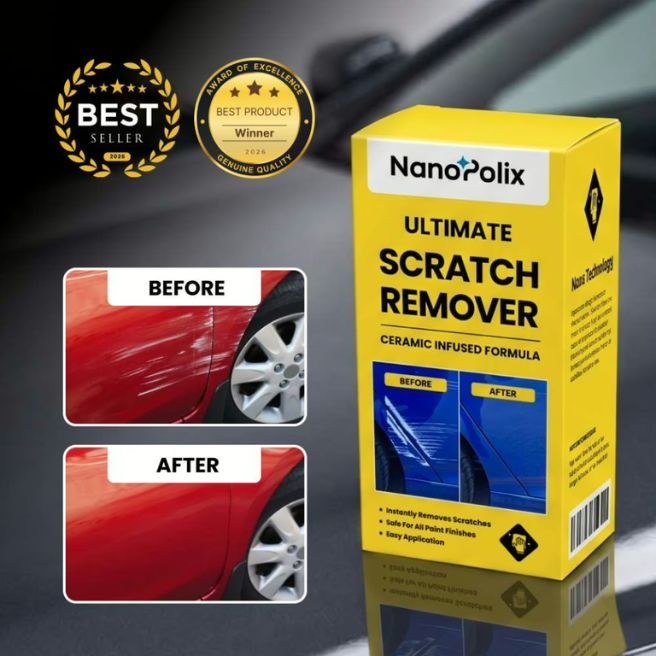
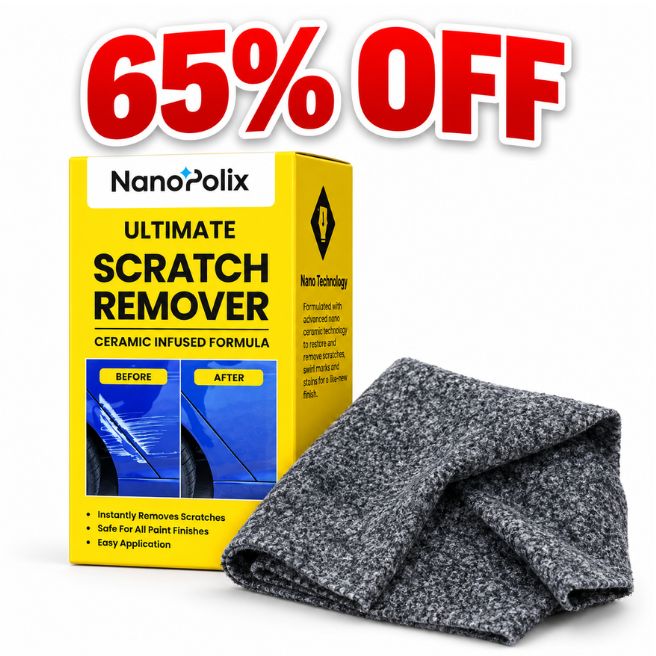
NanoPolix is a reusable nano cloth designed for car detailing and touch-up work on visible surface scuffs, light scratches, oxidation and paint transfer.
Select your market to check current NanoPolix availability. Save up to 65% where available.
NanoPolix is a car scratch remover cloth designed for small, surface-level paintwork defects that appear during everyday driving and parking. It combines a treated cloth format with nano-metal powder and polishing agents, so the product is applied directly by hand rather than from a bottle or multi-step repair kit.
The product information positions NanoPolix for common marks such as light key scratches, fingernail marks around door handles, branch and hedge scuffs, swirl patterns, water spots, paint transfer, surface oxidation and other shallow blemishes in the clear-coat area. Deeper damage that cuts through paint layers is outside the kind of surface touch-up described for the cloth.
During use, the treated cloth is rubbed firmly over a clean, dry area in small circular motions. The supplied description says the active nano-polishing material works across the marked surface while helping restore a smoother, more reflective finish. The process is intended for focused paintwork touch-up rather than full-panel repainting.
NanoPolix is presented as suitable across vehicle colours and paint types covered by the product information. Because paint condition, scratch depth and previous surface treatments vary from car to car, users should work on a small area first and assess the finish before continuing across a larger section.
The cloth is reusable for multiple repairs when kept clean, dry and stored after use. Its compact format makes it useful for periodic detailing, car scuff repair and light auto scratch repair where a simple hand-applied method is preferred over a conventional compound-and-pad routine.
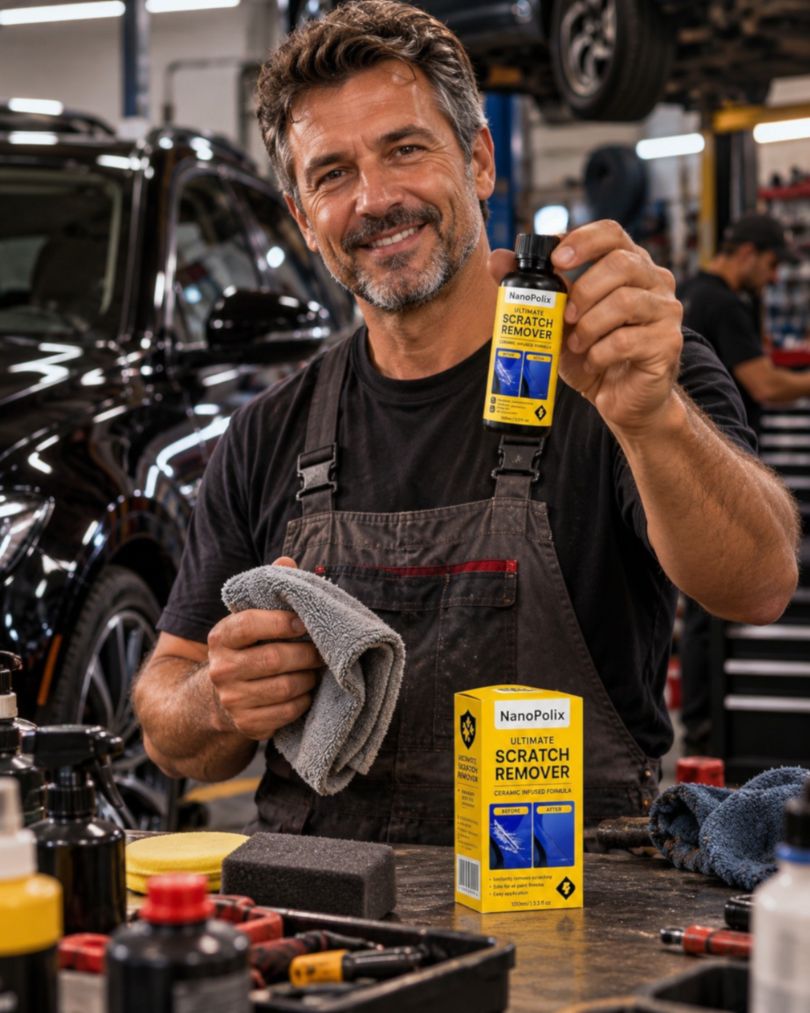
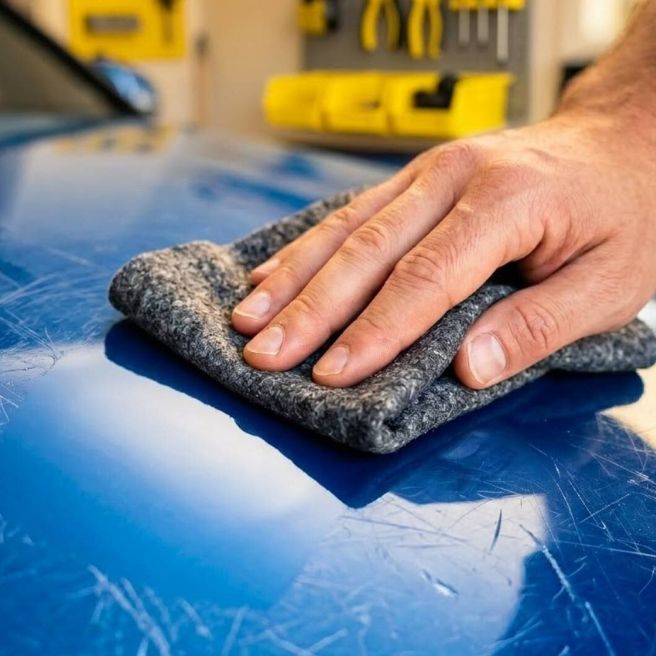
NanoPolix is infused with nano-metal powder and active polishing agents. When the cloth is rubbed over a marked area, the treated surface interacts with the clear coat and works on the visible edges of shallow scratches and scuffs.
The product description says the polishing action helps level the appearance of surface defects and restore light reflection across the treated area. This is why the cloth is aimed at clear-coat and other surface-level marks rather than damage that has fully penetrated the paint system.
No separate liquid is needed for the standard routine. The cloth itself carries the treatment, so the practical sequence is to clean and dry the panel, work the mark with controlled circular rubbing, then inspect and wipe the area clean.
Everyday car paint picks up different kinds of visible marks. NanoPolix is intended for light scratches and scuffs that sit at or near the surface, including door-handle marks, branch scuffs, light side-swipe transfer and swirl-like blemishes.
The same cloth is also presented for cleaning stubborn surface residue such as asphalt splatter, water spots and oxidation around the marked area. These are detailing uses, not substitutes for body repair when metal, primer or deep paint layers are exposed.
A practical check is depth: if the mark is visibly deep, catches strongly with a fingernail or exposes a different layer underneath, professional inspection may be more appropriate than a surface scratch cloth.
For shallow marks in the visible clear-coat area.
For light rubbing marks and paint transfer on the surface.
For surface oxidation, water spots and related detailing residue.
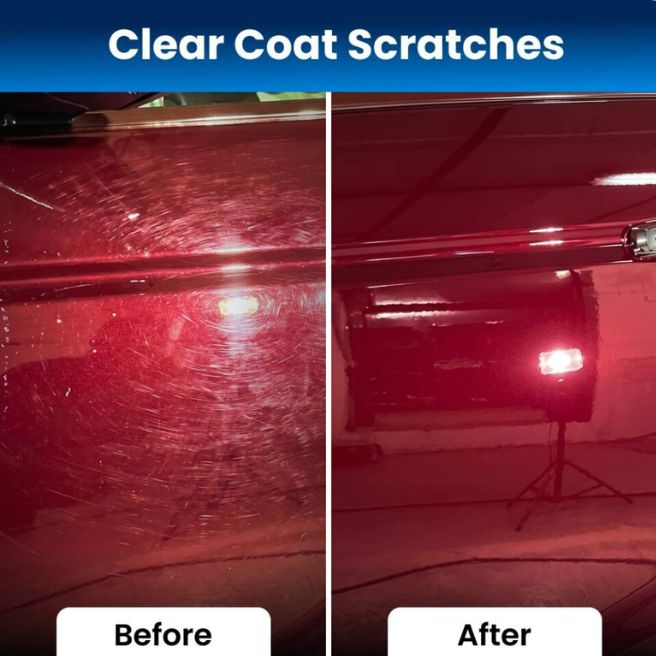
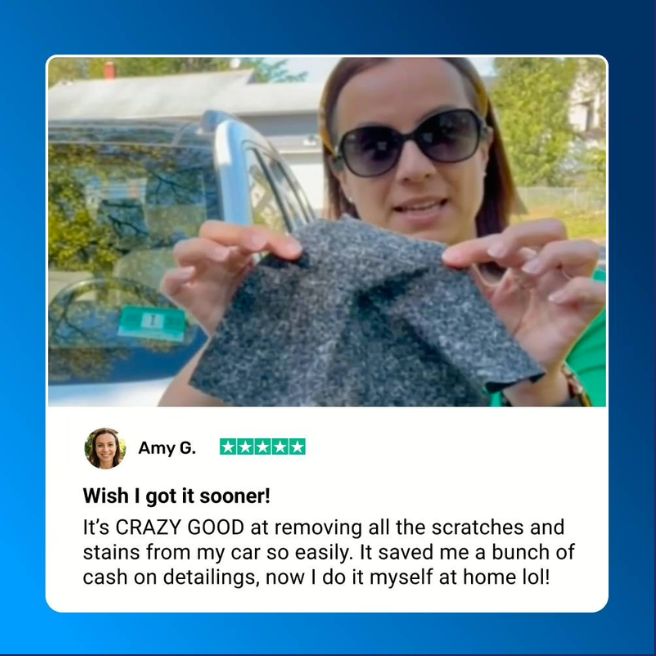
Parking, loading, door handles and roadside vegetation can all leave shallow marks on exterior paint. NanoPolix is sized for targeted work, letting you concentrate on the affected area instead of treating an entire panel.
Because the cloth is hand-applied, pressure and working time remain under the user’s control. Start with a small area, use steady circular motions and inspect the finish as you go.
Fingernail and ring marks around handle recesses.
Light rub marks from close-contact parking situations.
Shallow hedge and branch scuffs along side panels.
Surface transfer from minor contact when the paint layer is intact.
Visible light surface patterns in the clear coat.
Water spots, asphalt residue and light oxidation around the defect.
Begin with a clean, dry panel. Remove loose dust, grit and debris before the cloth touches the paint so particles are not dragged across the surface.
Rub NanoPolix firmly over the mark using small circular motions. Work only the affected area first, checking the surface regularly rather than continuing blindly across a large section.
When the mark has been treated, wipe away any remaining surface residue with a clean soft cloth and inspect the finish in good light. Store NanoPolix clean and dry for its next use.
Dry the panel and remove dust or debris from the area.
Rub the marked area firmly in small circular motions.
Use a clean soft cloth to finish the surface and check the result.
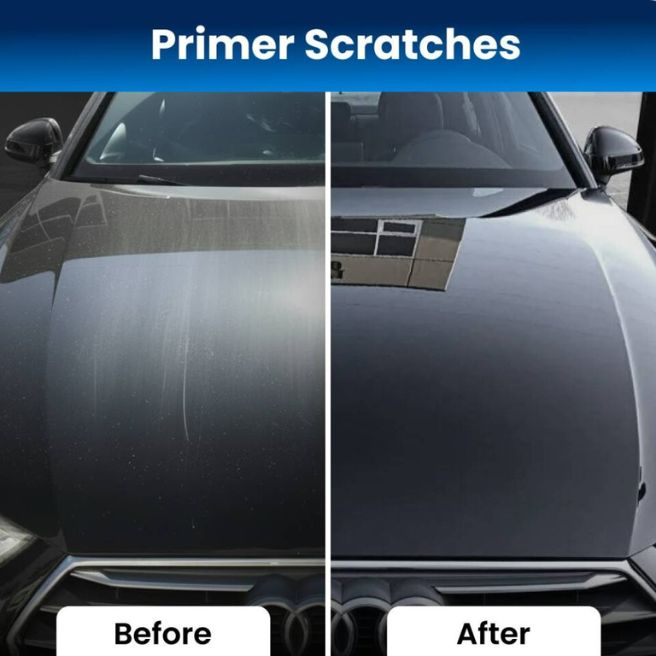
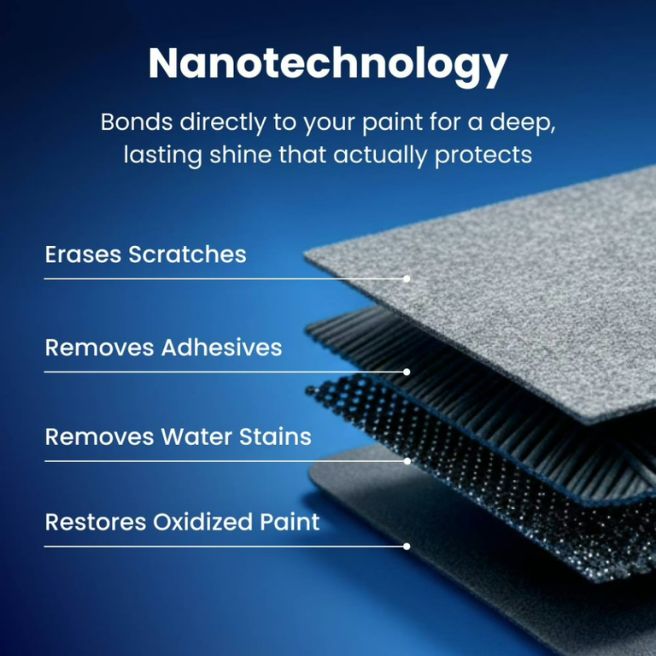
NanoPolix combines the treatment and applicator in one cloth, avoiding a separate bottle, pad and measuring step for the standard touch-up routine.
The product information describes a non-abrasive nano-polishing approach intended for automotive paint colours and common surface-level marks.
Its reusable format makes it practical to keep with detailing supplies for occasional scuffs, oxidation spots and scratch-restoration work.
NanoPolix is intended for targeted exterior paintwork care. The product information focuses on surface-level defects, so the cloth should not be treated as a replacement for bodywork where the scratch has cut through the clear coat, colour coat or primer.
Keep the cloth away from loose grit before use and store it dry after treatment. Contamination trapped in any detailing cloth can affect the finish when it is rubbed over paint.
If a panel has unusual coatings, a fresh respray or a finish you are unsure about, test an inconspicuous area first before treating a visible section.
Best matched to shallow defects and cosmetic paintwork marks.
Loose grit should be removed before any polishing contact.
Check a small inconspicuous area on unfamiliar finishes.
Keep the reusable cloth dry and protected between uses.
A scratch cloth can improve the appearance of many everyday surface defects, but not every visible line on a vehicle is the same kind of damage.
Shallow clear-coat marks are the intended use case.
Remove grit, dust and loose contamination first.
Use controlled circular motions on the mark.
Stop and reassess if the damage appears deeper than expected.
Keep it clean and dry for another touch-up session.
Answers about scratch depth, paint compatibility, application and reuse.
The cloth is infused with nano-metal powder and polishing agents. Rubbing the treated cloth across a shallow marked area is designed to work on the visible surface of the clear coat and restore a smoother-looking, more reflective finish.
NanoPolix is intended for surface-level paint damage such as light key marks, fingernail scratches, branch scuffs, swirl-like marks, water spots, light paint transfer and surface oxidation. Deep damage through the paint layers may require a different repair method.
The product information describes NanoPolix as suitable across automotive paint colours and paint types for the intended surface-level use. On unfamiliar finishes or recently repaired paint, testing a small inconspicuous area first is a sensible precaution.
The supplied routine is a short hand-polishing process. Work the mark in small circular motions and inspect the area as you go rather than relying on a fixed time for every scratch. Scratch depth and paint condition can affect the result.
After treatment, wipe the area with a clean soft cloth and inspect the surface. Keeping both the panel and finishing cloth clean helps avoid haze or loose residue around the treated area.
Yes. NanoPolix is presented as reusable for multiple touch-up sessions. Keep it clean, dry and protected from grit between uses.
Select your market to check current NanoPolix availability. Save up to 65% where available.